From Insight to Impact: HFMA Leaders on Reducing Friction and Rethinking Healthcare Finance

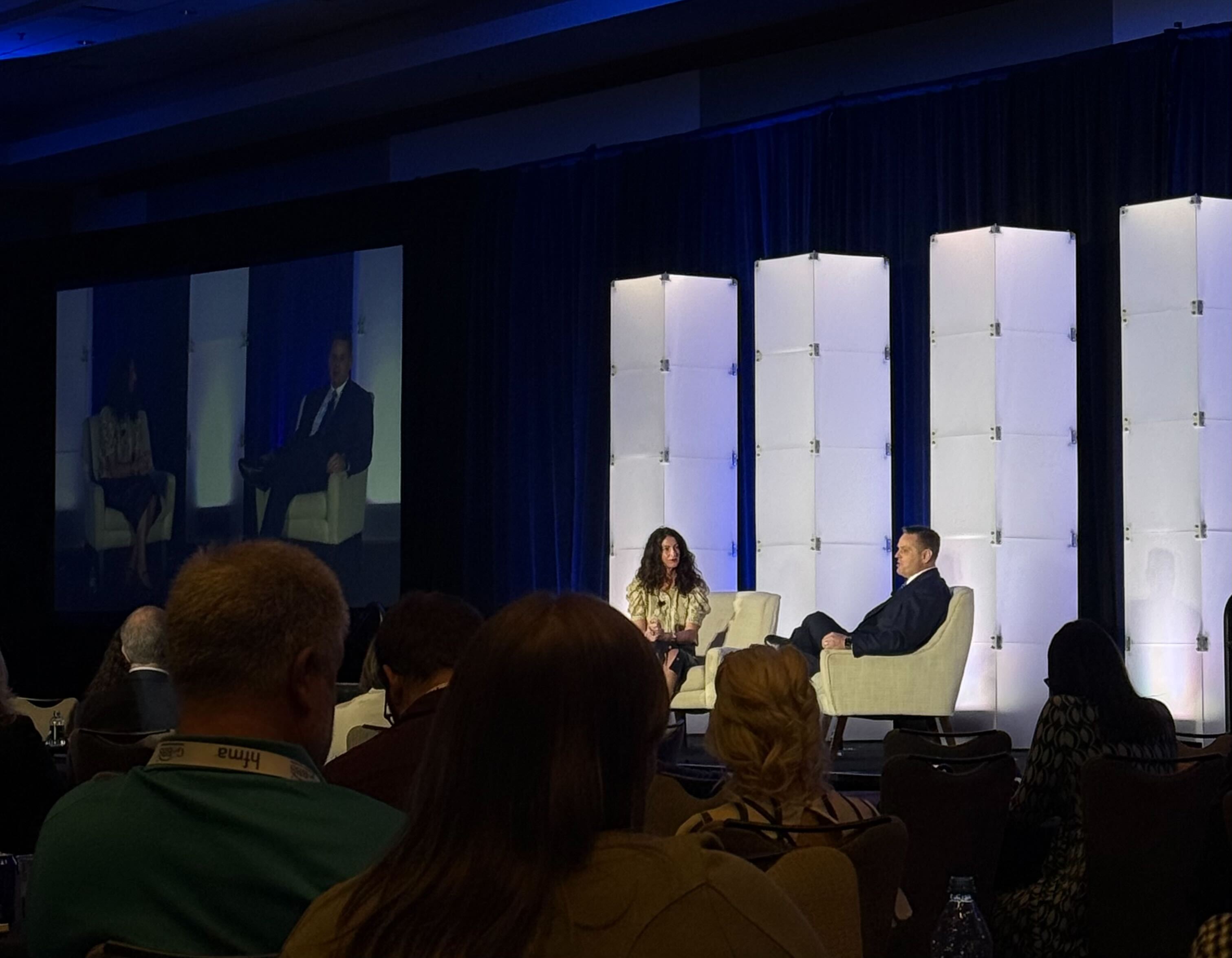
At the opening keynote of the HFMA Leadership Summit 2026, titled “From Insight to Impact: HFMA Board Leaders on Navigating What’s Ahead,” industry leaders came together to unpack the challenges shaping healthcare finance today. The panel featured Robin Damschroder, CFO of Henry Ford Health; J. Kevin Holloran, Senior Director of U.S. Public Finance at Fitch Ratings; Michele Napier, Chief Revenue Officer at Orlando Health; and Marcus Whitney, Founder and Managing Partner of Jumpstart Nova. Together, they explored what it will take to move from insight to real impact in a rapidly evolving healthcare landscape.
The conversation opened with a deceptively simple question: what is one cost we have accepted that we should not? The answer was not a traditional expense category. It was friction.
From difficulty accessing care to the administrative burden of denials and prior authorizations, panelists pointed to the hidden costs embedded across the healthcare experience. These inefficiencies do more than inflate administrative spend. They erode patient trust and delay care. For years, the industry has treated this friction as inevitable. With advances in AI and automation, that assumption is starting to break. The opportunity ahead is not just to reduce cost, but to fundamentally redesign the experience so it is simpler, faster, and more transparent for both patients and providers.
This idea led into a broader tension that surfaced throughout the discussion: managing cost versus creating value. Healthcare leaders are operating in an environment where expenses, from labor to supplies, continue to rise faster than revenue. At the same time, expectations around access, affordability, and outcomes continue to grow.
Michele Napier framed this as a constant balancing act between access and margin. Health systems must decide where to invest, where to pull back, and how to meet community needs without compromising financial sustainability. It is not just about reducing costs. It is about making deliberate choices in the face of limited resources, regulatory complexity, and sustained margin pressure.
Napier captured this dynamic with a memorable analogy. Healthcare today can feel like a choice between “Monopoly and Minecraft.” The system is constrained by rigid rules, yet leaders are asked to be creative and adaptive within those constraints to build something better.
A recurring theme was the disconnect between stakeholders, particularly between payers and providers. Panelists acknowledged the adversarial nature of these relationships and emphasized that the challenge goes beyond simply speaking different languages. It is rooted in misaligned incentives and competing priorities. At the same time, there was a clear call to move past this divide and refocus on the shared goal of serving patients.
Robin Damschroder emphasized the need to rebuild trust across the ecosystem by addressing root causes rather than surface level symptoms. Collaboration will be critical to reducing inefficiencies and improving outcomes across the system.
Importantly, the panel also challenged the idea that all friction is inherently bad. As Michelle put it, “I do not fear sandpaper.” Some tension, when approached constructively, can lead to stronger processes and better outcomes. The goal is not to avoid difficult challenges, but to engage with them in a way that drives improvement.
The role of leadership in this moment was another key focus. For emerging healthcare finance leaders, the message was clear. This is a time for courage, clarity, and intention. That is especially true when it comes to embracing AI and broader transformation efforts. The technology is here, but its impact depends on whether organizations are willing to adopt it.
Marcus Whitney reinforced this point by noting that technology truly arrives when people are ready to use it. According to this group of leaders, that readiness is beginning to take hold across the industry.
The takeaway from the session is clear. Moving from insight to impact will require more than operational discipline. It will require a willingness to challenge long held assumptions, bridge divides, and rethink how value is created across healthcare.


.png)